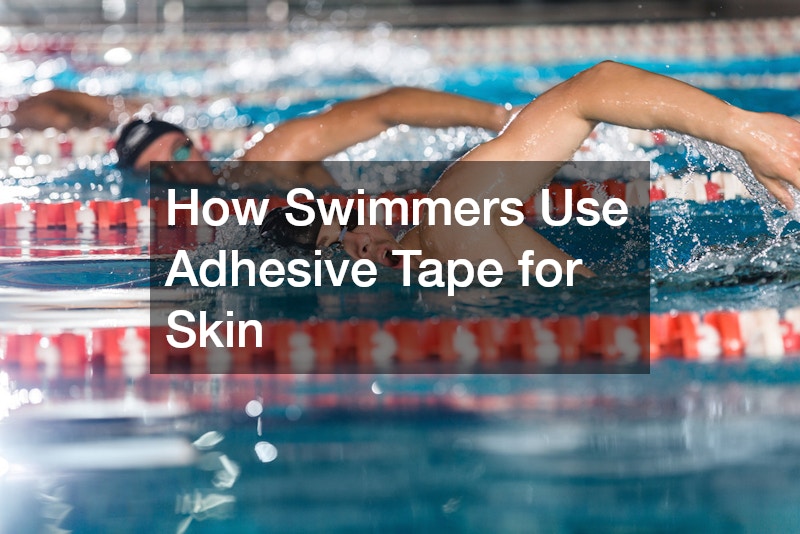


Adhesive tape for skin is a staple in a swimmer’s toolkit, providing both preventive and restorative benefits. This article explores the various ways swimmers utilize adhesive tape and addresses commonly asked questions about its use.
What Types of Adhesive Tape Are Best for Swimmers?
Cohesive vs. Adhesive Tape
Swimmers often choose between cohesive tape, which only sticks to itself, and adhesive tape, which sticks to skin or fabric. Cohesive tape is preferred in situations where gentle removal is prioritized, especially when frequent re-taping is necessary.
Adhesive tape for skin offers more robust support, crucial for ensuring joints remain stabilized during competitive swimming. The choice between the two can depend on the swimmer’s skin sensitivity and specific needs during training.
Cohesive tapes are known for their hypoallergenic properties, minimizing the risk of skin irritation. In contrast, adhesive tapes provide a more secure grip, especially in high-impact areas.
Waterproof Tape Options
Waterproof tapes are indispensable in maintaining tape integrity underwater, ensuring continued support while swimming. Such tapes are crafted to resist water penetration, which can degrade other types of tape prematurely.
Brands like KT Tape and RockTape offer high-quality waterproof options specifically designed for swimmers. These tapes are often enhanced with additional materials to enhance their adhesive properties when wet.
By choosing waterproof tape, swimmers can prevent premature loosening, which can compromise the benefits of taping. These tapes also help accommodate the dynamic movements required in swimming events.
How Does Adhesive Tape Help Prevent Injuries?
Supporting Joints and Muscles
Adhesive tape for skin is vital in supporting the joints, acting as an external brace that can reduce the risk of sprains. Taping techniques also help in providing muscle stability, crucial during long and repetitive swimming strokes.
The tape restricts unwanted movement, limiting stress on ligaments and tendons. This restricted motion helps mitigate injury risks, particularly in hypermobile athletes.
Swimmers often rely on the tape to provide added support to shoulders and knees, which are common sites for overuse injuries. The tape’s strategic placement can assist in maintaining correct posture during swimming.
Reducing Friction and Blisters
Adhesive tape serves as a friction barrier, protecting the skin from blisters during prolonged swimming or intensive training. This is especially beneficial in areas prone to rubbing, such as under swimsuit straps.
By minimizing skin surface abrasion, the tape also supports skin health and continuity. This protective layer is crucial when swimmers are required to train daily under varying conditions.
Swimmers who tape regularly report fewer skin issues, as the tape helps maintain moisture balance and mitigates abrasive friction. The application of tape ensures comfort, aiding in longer and more productive training sessions.
Can Adhesive Tape Enhance Swimming Performance?
Improving Muscle Alignment
Strategically applied, adhesive tape can contribute to better muscle alignment, enhancing stroke efficiency and power transfer. This improved alignment enables swimmers to maximize their propulsion in the water.
The tape acts as a guide, helping swimmers maintain optimal movement patterns. Such guidance can reduce fatigue, improve posture, and effectively conserve energy.
Moreover, enhanced muscle alignment promotes faster recovery post-training, as muscles operate within their intended biomechanical pathways. Proper taping can thus be an integral component of a swimmer’s technique optimization strategy.
Providing Psychological Benefits
Beyond physical support, adhesive tape for skin can boost a swimmer’s confidence by providing a psychological edge. Knowing an area is taped can encourage more aggressive and confident movements in the water.
This psychological assurance extends into competitive swimming, where every mental advantage is significant. The act of taping can be part of a pre-race routine, anchoring calm and focus.
Swimmers often report feeling an enhanced sense of security and preparedness when taped, which can translate into more consistent performances. The tactile feedback from the tape serves as a constant reminder to maintain form and control.
What Are the Techniques for Applying Adhesive Tape?
Correct Placement and Tension
For adhesive tape to be effective, correct placement and tension are crucial. A common approach involves stretching the tape slightly before application to accommodate the range of motion without limiting circulation.
Placement should align with muscle fibers to maximize support and movement correction. Overlapping strips of tape can be used to reinforce specific areas as needed, based on individual needs.
Consulting a physiotherapist for personalized taping techniques is often recommended to avoid unfavorable outcomes. Such tailored advice can facilitate proper technique adherence and enhance tape efficacy.
Common Mistakes to Avoid
Many swimmers mistakenly apply tape too tightly, which can restrict movement and lead to discomfort. It’s essential to strike a balance between firmness and flexibility for optimal support.
Others neglect to prepare the skin before application, leading to compromised adhesion. It is advisable to cleanse and dry the skin thoroughly to enhance adherence.
Awareness of these common mistakes can prevent trial and error, maximizing the benefits. Improving proficiency in taping can save time and allow the swimmer to focus on performance.