


Putting your health and comfort first starts with knowing where to turn. Whether you’re recovering from an injury, scheduling preventive care, or refreshing your look, local providers can make a big difference in convenience, outcomes, and peace of mind. This guide walks through common services — from rehabilitation and diagnostic testing to dental surgery, dermatology, and urgent care — and explains what to look for when choosing a provider. Read on to learn practical tips for asking the right questions, comparing options, and making care choices that fit your needs and lifestyle.
Physical Therapy That Helps You Move Better
When you’re recovering from an injury or trying to manage chronic pain, targeted rehabilitation makes the difference. A qualified physical therapy team evaluates your movement patterns, teaches progressive exercises, and helps you return to activities safely. Look for clinics that demonstrate clear plans for goals, milestones, and measurable progress. Ask about therapist credentials, manual therapy skills, and whether they offer specialized care like vestibular rehab or post-surgical protocols. Convenience matters too: check scheduling options, session length, and whether your therapist coordinates with your physician. A good clinic emphasizes education so you understand why exercises work and how to prevent setbacks once formal sessions end.
Seasonal Health Checklist
Seasonal shifts bring predictable health challenges. In spring and fall, monitor allergy triggers: keep windows closed on high-pollen days, launder bedding weekly, and replace HVAC filters regularly. Summer calls for hydration, UV protection, and insect-borne illness prevention—carry water, reapply sunscreen, and use protective clothing during peak sun. Winter focuses on respiratory care and infection prevention: maintain humidifiers in dry homes, get annual vaccinations as recommended, and keep a small stash of fever reducers and thermometer handy. A short, printable checklist helps readers prepare for each season and reduces last-minute stress when symptoms appear.
ADHD Testing: Clear Answers and Next Steps
If attention, impulsivity, or learning struggles are affecting daily life, a thorough ADHD testing evaluation can provide clarity. Reliable assessments include clinical interviews, standardized rating scales, and input from family or teachers when relevant. A comprehensive testing process rules out other contributors such as sleep issues, mood disorders, or learning differences. After evaluation, credible providers give a clear report with actionable recommendations — behavioral strategies, school accommodations, therapy, or medication options when appropriate. Ask whether follow-up visits or treatment planning sessions are included so the test results translate into meaningful support.
Home First-Aid Essentials
A compact, well-stocked first-aid kit makes common mishaps easier to manage. Include adhesive bandages, sterile gauze, adhesive tape, antiseptic wipes, tweezers, scissors, a digital thermometer, and disposable gloves. Add specific items for family needs—an epinephrine injector if someone is allergic, or extra gauze for heavy bleeding risks. Store the kit in an easy-to-reach spot known to all adult household members and pin a laminated quick-action guide nearby that lists when to call emergency services. Rotate supplies annually and restock after any use so the kit is always ready.
Root Canals: When Saving the Tooth Is the Goal
A painful or infected tooth can disrupt life quickly. Root canal therapy can salvage a tooth and relieve persistent pain by removing infected tissue inside the root and sealing the space to prevent reinfection. When seeking care, consider an endodontist with focused training in root canal procedures and modern tools that improve comfort and success rates. If you need an experienced provider, check out trusted local resources for root canals and ask about pain management options, the number of visits required, and post-procedure care. A clear plan for restoration — crown placement timing and follow-up checks — helps preserve long-term tooth function.
Wisdom Teeth Removal: Safe, Comfortable Surgical Care
Wisdom tooth extraction is common but can vary in complexity depending on impaction and root anatomy. Choose a provider experienced in wisdom teeth removal who can assess radiographs, explain anesthesia choices, and outline the recovery timeline. For impacted teeth or proximity to nerves, an oral and maxillofacial surgeon offers surgical expertise to reduce risks. Ask about pre-op instructions, what to expect immediately after surgery, and signs of complications to watch for. Adequate post-op support — clear pain control plans, dietary guidance, and check-in appointments — makes recovery smoother for both teens and adults.
When to Use Urgent Care vs. Emergency Care
Knowing where to go saves time and money—and can affect outcomes. Use emergency care for life-threatening or rapidly worsening symptoms: severe chest pain, trouble breathing, sudden weakness, major trauma, or uncontrolled bleeding. Urgent care is appropriate for non-life-threatening issues that still need relatively fast attention: minor fractures, moderate cuts that may need stitches, high fevers in older children and adults, or sudden illness outside regular hours. If in doubt, call a medical advice line or your primary care team for guidance; they can help triage and recommend the best next step.
Prescription Sunglasses: Protect Vision and Comfort
If you spend time outdoors or have light sensitivity, prescription sunglasses combine vision correction with UV protection and glare control. When selecting lenses and frames, prioritize lens materials that resist scratching and coatings that block 100% UVA/UVB rays. Local optical practices often provide tailored options and fitting services; a familiar place like prescription sunglasses vendors can help you choose lens tints, polarization, and frame styles that suit both function and fashion. Don’t forget to verify lens return policies and warranties — sunglasses take daily wear and should be backed by good customer care.
Managing Pain and Mobility at Home
Simple, consistent habits often reduce pain and improve mobility. For musculoskeletal aches, alternate gentle movement with rest; prolonged immobility can worsen stiffness. Controlled, low-impact activity—walking, swimming, or guided stretching—helps maintain joint range and circulation. Use ice for new, inflamed injuries and heat for chronic muscle tightness, and consider over-the-counter pain relievers as advised by your clinician. If symptoms persist beyond a week or worsen, seek professional assessment for targeted rehabilitation. Early movement paired with the right guidance often prevents short-term issues from becoming chronic.
Emergency Room: When Immediate Care Is Necessary
Knowing when to head to the emergency room matters. Life-threatening symptoms — severe chest pain, difficulty breathing, uncontrolled bleeding, sudden weakness, or loss of consciousness — require immediate emergency evaluation. For non-life-threatening but urgent concerns (significant cuts, suspected fractures, or symptoms that rapidly worsen), an ER can provide imaging, stabilization, and access to specialists. If you have chronic conditions, bring a list of medications and key medical history to help the ER team make swift decisions. For less urgent but still pressing issues, urgent care centers may be faster and more cost-effective; however, they cannot replace the ER for severe or unstable problems.
Practical Steps for Mental Health Screening and Support
Mental health check-ins help catch problems early. Simple screening begins with noticing changes in sleep, appetite, concentration, or daily functioning. For attention and focus concerns, collect examples of when symptoms occur, note duration and impact at work or school, and gather input from family or teachers if relevant. Encourage people to ask primary care providers about formal screening tools and follow-up plans. Early referral to counseling, behavioral strategies, or a diagnostic evaluation helps create a clear, actionable path forward and reduces uncertainty for patients and families.
Local Med Spa: A Blend of Care and Aesthetics
A med spa can be an inviting place to refresh skin, reduce fine lines, or explore non-surgical aesthetic options. When choosing a facility, prioritize medically supervised practices where licensed clinicians or physicians oversee treatments. Look into local local med spa offerings and ask about consultation processes, treatment plans tailored to your skin type, and realistic recovery expectations. Verify that injectables, lasers, and energy-based devices are administered by trained professionals with established safety protocols. A consultation should include honest discussion of outcomes, risks, and maintenance schedules so your aesthetic plan aligns with long-term skin health.
Preparing for Dental Procedures and Recovery
Dental procedures—from fillings to extractions—go smoother with a little advance planning. Follow pre-op instructions: arrange transportation if sedatives are used, plan soft foods for the first 48–72 hours, and stock a recovery kit with recommended pain relievers, salt for rinses, and ice packs. After surgery, maintain oral hygiene gently to reduce infection risk; avoid vigorous rinsing for the first day and follow any suturing instructions. Contact your dentist if you notice prolonged bleeding, fever, or severe pain that doesn’t respond to medications—early follow-up prevents small complications from becoming bigger problems.
Protecting Eyes and Choosing Proper Sunglasses
Eye protection matters year-round, not just at the beach. Sunglasses should block 100% of UVA and UVB rays and fit closely to limit peripheral light. Polarized lenses reduce glare on water and while driving, and photochromic lenses adapt to changing light for convenience. For those with light sensitivity or outdoor jobs, consider wraparound styles that protect from splashes and wind. Routine eye exams detect conditions early—bring up any new light sensitivity, vision changes, or persistent dryness at your next visit.
Local Medical Spas: Safety and Results Matter
Not all med spas are the same. A reputable local medical spas practice provides comprehensive skin assessments, customized facial treatments, and a clear path from consultation to aftercare. Quality med spas emphasize scientific approaches — medical-grade products, evidence-based procedures, and continuity of care. Ask about client photos, practitioner qualifications, and whether follow-up care is included. Transparent pricing and treatment timelines prevent surprises, and facilities that cultivate ongoing relationships with clients often produce the most satisfying, sustainable results.
Safe Aesthetic Treatments: What to Ask
Non-surgical cosmetic care can be safe and satisfying when offered by trained clinicians. Before any treatment, ask about provider qualifications, device or product approvals, expected outcomes, and potential side effects. Request clear pre- and post-treatment instructions and ask how adverse events are handled. For energy-based devices (lasers, radiofrequency, ultrasound), confirm that settings will be tailored to your skin type and that patch tests are available. Established practices prioritize consultation and follow-up, helping patients make informed decisions and achieve realistic results.
Skin Tightening Treatments: Choose What Fits Your Goals
For sagging skin or volume loss that doesn’t require surgery, noninvasive local skin tightening treatments offer options such as radiofrequency, ultrasound, or laser therapies. These modalities stimulate collagen production and can improve skin tone with minimal downtime. Effectiveness varies by technology and patient factors like age and skin condition; ask providers for realistic expectations, the number of sessions typically required, and longevity of results. Confirm that technicians or clinicians performing treatments are trained on the specific devices and that the clinic provides clear pre- and post-treatment instructions to optimize safety and outcomes.
Aftercare for Skin and Hair Procedures
Aftercare determines much of the final result for skin and hair treatments. For resurfacing or tightening procedures, follow recommendations on sun avoidance, gentle cleansing, and moisturizer use to support healing. For laser hair removal, avoid plucking between sessions, use sun protection on treated areas, and keep sessions on schedule for best outcomes. When discomfort or unexpected redness persists beyond the anticipated healing window, check in with the treating clinic—early guidance often resolves issues quickly and keeps progress on track.
Laser Hair Removal Services: Long-Term Reduction Strategies
Laser hair removal is a powerful way to reduce unwanted hair long-term, but success depends on skin tone, hair color, and device type. A consult with experienced providers helps determine candidacy and an expected session plan. Look for clinics that offer medical oversight and use FDA-cleared devices; reputable laser hair removal services will assess your skin and hair, explain risks like hyperpigmentation, and provide tailored energy settings to maximize safety. Ask about patch testing, interval spacing between sessions, and maintenance recommendations to ensure you get the most efficient and predictable results.
Bringing Health Home: Simple Choices for Lasting Wellness
Every small decision you make for your home adds up to better health, comfort, and peace of mind. When you plan spaces around how you live, choose durable materials, and prioritize sensible maintenance, you reduce daily stress and lower the chance of injury or illness. Simple routines — seasonal checklists, a stocked first-aid kit, regular eye and dental care, and clear plans for urgent versus emergency care — keep common problems small and manageable. For those with chronic conditions or special needs, early screening and thoughtful home modifications mean treatment is more effective and recovery is steadier. Non-surgical aesthetic treatments, prescription eyewear, and reliable dental work each play a role in wellbeing when selected and followed up appropriately. Remember that prevention often costs less than repair: energy efficiency upgrades, safe outdoor designs, and routine pool and well maintenance prevent expensive, time-consuming failures. Finally, build a small team you trust — a primary care clinician, a reliable therapist or testing provider, and local specialists who can answer questions quickly. Together, these choices create a home that supports physical recovery, mental resilience, and everyday living. Start with one change this week and build forward; small steps compound into lasting wellness. Make one small change today.
Putting your health and comfort first starts with knowing where to turn. Whether you’re recovering from an injury, scheduling preventive care, or refreshing your look, local providers can make a big difference in convenience, outcomes, and peace of mind. This guide walks through common services — from rehabilitation and diagnostic testing to dental surgery, dermatology, and urgent care — and explains what to look for when choosing a provider. Read on to learn practical tips for asking the right questions, comparing options, and making care choices that fit your needs and lifestyle.
Physical Therapy That Helps You Move Better
When you’re recovering from an injury or trying to manage chronic pain, targeted rehabilitation makes the difference. A qualified physical therapy team evaluates your movement patterns, teaches progressive exercises, and helps you return to activities safely. Look for clinics that demonstrate clear plans for goals, milestones, and measurable progress. Ask about therapist credentials, manual therapy skills, and whether they offer specialized care like vestibular rehab or post-surgical protocols. Convenience matters too: check scheduling options, session length, and whether your therapist coordinates with your physician. A good clinic emphasizes education so you understand why exercises work and how to prevent setbacks once formal sessions end.
Seasonal Health Checklist
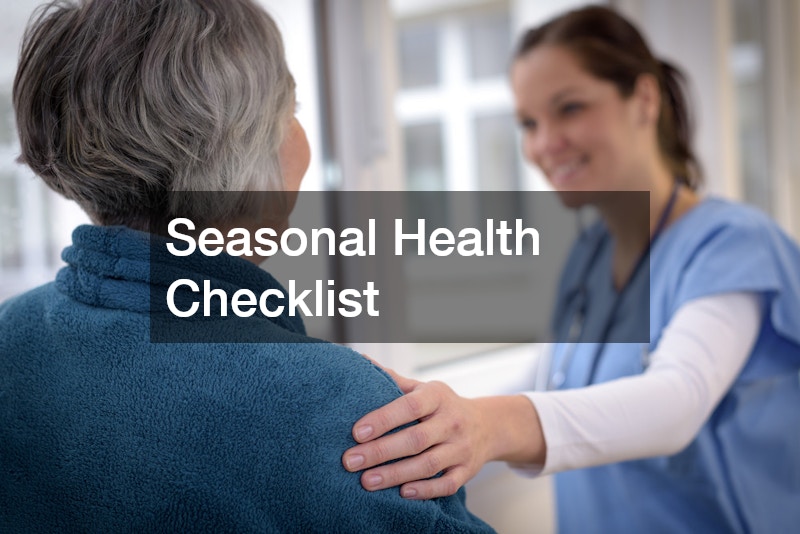
Seasonal shifts bring predictable health challenges. In spring and fall, monitor allergy triggers: keep windows closed on high-pollen days, launder bedding weekly, and replace HVAC filters regularly. Summer calls for hydration, UV protection, and insect-borne illness prevention—carry water, reapply sunscreen, and use protective clothing during peak sun. Winter focuses on respiratory care and infection prevention: maintain humidifiers in dry homes, get annual vaccinations as recommended, and keep a small stash of fever reducers and thermometer handy. A short, printable checklist helps readers prepare for each season and reduces last-minute stress when symptoms appear.
ADHD Testing: Clear Answers and Next Steps
If attention, impulsivity, or learning struggles are affecting daily life, a thorough ADHD testing evaluation can provide clarity. Reliable assessments include clinical interviews, standardized rating scales, and input from family or teachers when relevant. A comprehensive testing process rules out other contributors such as sleep issues, mood disorders, or learning differences. After evaluation, credible providers give a clear report with actionable recommendations — behavioral strategies, school accommodations, therapy, or medication options when appropriate. Ask whether follow-up visits or treatment planning sessions are included so the test results translate into meaningful support.
Home First-Aid Essentials
A compact, well-stocked first-aid kit makes common mishaps easier to manage. Include adhesive bandages, sterile gauze, adhesive tape, antiseptic wipes, tweezers, scissors, a digital thermometer, and disposable gloves. Add specific items for family needs—an epinephrine injector if someone is allergic, or extra gauze for heavy bleeding risks. Store the kit in an easy-to-reach spot known to all adult household members and pin a laminated quick-action guide nearby that lists when to call emergency services. Rotate supplies annually and restock after any use so the kit is always ready.

Root Canals: When Saving the Tooth Is the Goal
A painful or infected tooth can disrupt life quickly. Root canal therapy can salvage a tooth and relieve persistent pain by removing infected tissue inside the root and sealing the space to prevent reinfection. When seeking care, consider an endodontist with focused training in root canal procedures and modern tools that improve comfort and success rates. If you need an experienced provider, check out trusted local resources for root canals and ask about pain management options, the number of visits required, and post-procedure care. A clear plan for restoration — crown placement timing and follow-up checks — helps preserve long-term tooth function.
Wisdom Teeth Removal: Safe, Comfortable Surgical Care
Wisdom tooth extraction is common but can vary in complexity depending on impaction and root anatomy. Choose a provider experienced in wisdom teeth removal who can assess radiographs, explain anesthesia choices, and outline the recovery timeline. For impacted teeth or proximity to nerves, an oral and maxillofacial surgeon offers surgical expertise to reduce risks. Ask about pre-op instructions, what to expect immediately after surgery, and signs of complications to watch for. Adequate post-op support — clear pain control plans, dietary guidance, and check-in appointments — makes recovery smoother for both teens and adults.
When to Use Urgent Care vs. Emergency Care
Knowing where to go saves time and money—and can affect outcomes. Use emergency care for life-threatening or rapidly worsening symptoms: severe chest pain, trouble breathing, sudden weakness, major trauma, or uncontrolled bleeding. Urgent care is appropriate for non-life-threatening issues that still need relatively fast attention: minor fractures, moderate cuts that may need stitches, high fevers in older children and adults, or sudden illness outside regular hours. If in doubt, call a medical advice line or your primary care team for guidance; they can help triage and recommend the best next step.

Prescription Sunglasses: Protect Vision and Comfort
If you spend time outdoors or have light sensitivity, prescription sunglasses combine vision correction with UV protection and glare control. When selecting lenses and frames, prioritize lens materials that resist scratching and coatings that block 100% UVA/UVB rays. Local optical practices often provide tailored options and fitting services; a familiar place like prescription sunglasses vendors can help you choose lens tints, polarization, and frame styles that suit both function and fashion. Don’t forget to verify lens return policies and warranties — sunglasses take daily wear and should be backed by good customer care.
Managing Pain and Mobility at Home
Simple, consistent habits often reduce pain and improve mobility. For musculoskeletal aches, alternate gentle movement with rest; prolonged immobility can worsen stiffness. Controlled, low-impact activity—walking, swimming, or guided stretching—helps maintain joint range and circulation. Use ice for new, inflamed injuries and heat for chronic muscle tightness, and consider over-the-counter pain relievers as advised by your clinician. If symptoms persist beyond a week or worsen, seek professional assessment for targeted rehabilitation. Early movement paired with the right guidance often prevents short-term issues from becoming chronic.
Emergency Room: When Immediate Care Is Necessary
Knowing when to head to the emergency room matters. Life-threatening symptoms — severe chest pain, difficulty breathing, uncontrolled bleeding, sudden weakness, or loss of consciousness — require immediate emergency evaluation. For non-life-threatening but urgent concerns (significant cuts, suspected fractures, or symptoms that rapidly worsen), an ER can provide imaging, stabilization, and access to specialists. If you have chronic conditions, bring a list of medications and key medical history to help the ER team make swift decisions. For less urgent but still pressing issues, urgent care centers may be faster and more cost-effective; however, they cannot replace the ER for severe or unstable problems.
Practical Steps for Mental Health Screening and Support
Mental health check-ins help catch problems early. Simple screening begins with noticing changes in sleep, appetite, concentration, or daily functioning. For attention and focus concerns, collect examples of when symptoms occur, note duration and impact at work or school, and gather input from family or teachers if relevant. Encourage people to ask primary care providers about formal screening tools and follow-up plans. Early referral to counseling, behavioral strategies, or a diagnostic evaluation helps create a clear, actionable path forward and reduces uncertainty for patients and families.

Local Med Spa: A Blend of Care and Aesthetics
A med spa can be an inviting place to refresh skin, reduce fine lines, or explore non-surgical aesthetic options. When choosing a facility, prioritize medically supervised practices where licensed clinicians or physicians oversee treatments. Look into local local med spa offerings and ask about consultation processes, treatment plans tailored to your skin type, and realistic recovery expectations. Verify that injectables, lasers, and energy-based devices are administered by trained professionals with established safety protocols. A consultation should include honest discussion of outcomes, risks, and maintenance schedules so your aesthetic plan aligns with long-term skin health.
Preparing for Dental Procedures and Recovery
Dental procedures—from fillings to extractions—go smoother with a little advance planning. Follow pre-op instructions: arrange transportation if sedatives are used, plan soft foods for the first 48–72 hours, and stock a recovery kit with recommended pain relievers, salt for rinses, and ice packs. After surgery, maintain oral hygiene gently to reduce infection risk; avoid vigorous rinsing for the first day and follow any suturing instructions. Contact your dentist if you notice prolonged bleeding, fever, or severe pain that doesn’t respond to medications—early follow-up prevents small complications from becoming bigger problems.
Protecting Eyes and Choosing Proper Sunglasses
Eye protection matters year-round, not just at the beach. Sunglasses should block 100% of UVA and UVB rays and fit closely to limit peripheral light. Polarized lenses reduce glare on water and while driving, and photochromic lenses adapt to changing light for convenience. For those with light sensitivity or outdoor jobs, consider wraparound styles that protect from splashes and wind. Routine eye exams detect conditions early—bring up any new light sensitivity, vision changes, or persistent dryness at your next visit.
Local Medical Spas: Safety and Results Matter
Not all med spas are the same. A reputable local medical spas practice provides comprehensive skin assessments, customized facial treatments, and a clear path from consultation to aftercare. Quality med spas emphasize scientific approaches — medical-grade products, evidence-based procedures, and continuity of care. Ask about client photos, practitioner qualifications, and whether follow-up care is included. Transparent pricing and treatment timelines prevent surprises, and facilities that cultivate ongoing relationships with clients often produce the most satisfying, sustainable results.
Safe Aesthetic Treatments: What to Ask
Non-surgical cosmetic care can be safe and satisfying when offered by trained clinicians. Before any treatment, ask about provider qualifications, device or product approvals, expected outcomes, and potential side effects. Request clear pre- and post-treatment instructions and ask how adverse events are handled. For energy-based devices (lasers, radiofrequency, ultrasound), confirm that settings will be tailored to your skin type and that patch tests are available. Established practices prioritize consultation and follow-up, helping patients make informed decisions and achieve realistic results.

Skin Tightening Treatments: Choose What Fits Your Goals
For sagging skin or volume loss that doesn’t require surgery, noninvasive local skin tightening treatments offer options such as radiofrequency, ultrasound, or laser therapies. These modalities stimulate collagen production and can improve skin tone with minimal downtime. Effectiveness varies by technology and patient factors like age and skin condition; ask providers for realistic expectations, the number of sessions typically required, and longevity of results. Confirm that technicians or clinicians performing treatments are trained on the specific devices and that the clinic provides clear pre- and post-treatment instructions to optimize safety and outcomes.
Aftercare for Skin and Hair Procedures
Aftercare determines much of the final result for skin and hair treatments. For resurfacing or tightening procedures, follow recommendations on sun avoidance, gentle cleansing, and moisturizer use to support healing. For laser hair removal, avoid plucking between sessions, use sun protection on treated areas, and keep sessions on schedule for best outcomes. When discomfort or unexpected redness persists beyond the anticipated healing window, check in with the treating clinic—early guidance often resolves issues quickly and keeps progress on track.

Laser Hair Removal Services: Long-Term Reduction Strategies
Laser hair removal is a powerful way to reduce unwanted hair long-term, but success depends on skin tone, hair color, and device type. A consult with experienced providers helps determine candidacy and an expected session plan. Look for clinics that offer medical oversight and use FDA-cleared devices; reputable laser hair removal services will assess your skin and hair, explain risks like hyperpigmentation, and provide tailored energy settings to maximize safety. Ask about patch testing, interval spacing between sessions, and maintenance recommendations to ensure you get the most efficient and predictable results.
Bringing Health Home: Simple Choices for Lasting Wellness
Every small decision you make for your home adds up to better health, comfort, and peace of mind. When you plan spaces around how you live, choose durable materials, and prioritize sensible maintenance, you reduce daily stress and lower the chance of injury or illness. Simple routines — seasonal checklists, a stocked first-aid kit, regular eye and dental care, and clear plans for urgent versus emergency care — keep common problems small and manageable. For those with chronic conditions or special needs, early screening and thoughtful home modifications mean treatment is more effective and recovery is steadier. Non-surgical aesthetic treatments, prescription eyewear, and reliable dental work each play a role in wellbeing when selected and followed up appropriately. Remember that prevention often costs less than repair: energy efficiency upgrades, safe outdoor designs, and routine pool and well maintenance prevent expensive, time-consuming failures. Finally, build a small team you trust — a primary care clinician, a reliable therapist or testing provider, and local specialists who can answer questions quickly. Together, these choices create a home that supports physical recovery, mental resilience, and everyday living. Start with one change this week and build forward; small steps compound into lasting wellness. Make one small change today.